


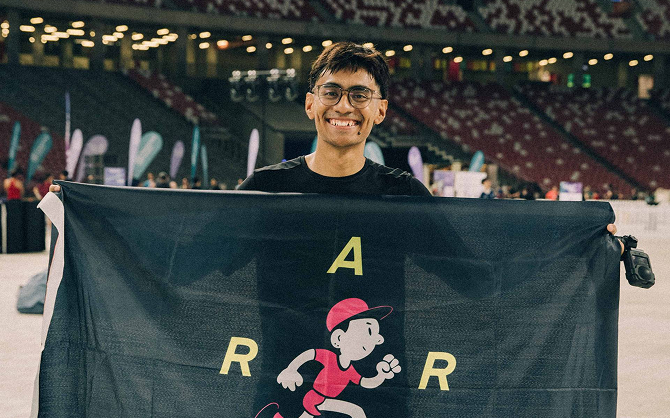

Every Step Forward: How Qamarul Lost More Than 50kg and the People Who Keep Him Moving
Running started as a way to lose weight. Today, it's become something much bigger—a promise to himself, his growing family and the futu...

Who Keeps You Moving? Beyond the Podium with Lauren
From struggling to run 5km to standing on the podium at UTMB Lake Toba 100K, Lauren Koh's journey isn't just about running farther—it's...
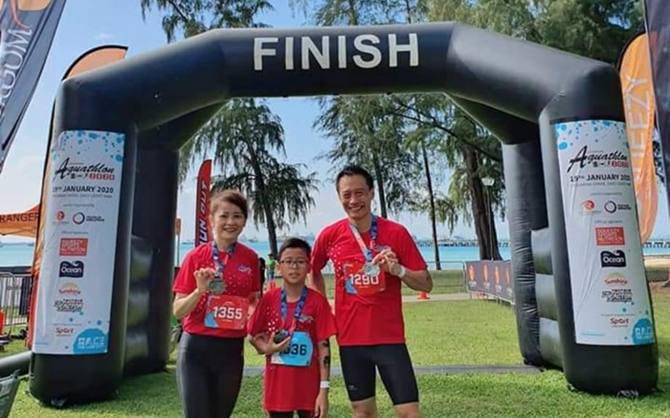
The Example They Follow: Kelver Choo on Fatherhood, Discipline and the Power of Showing Up
For Kelver Choo, running isn't just about crossing finish lines or collecting race medals. It's about setting an example for the three ...
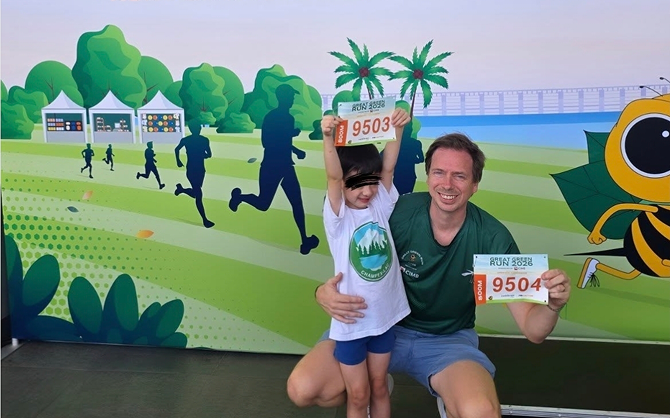
Running Through Fatherhood: Finding Balance, Joy and Purpose with Stanislas
Fatherhood is a journey filled with responsibility, sacrifice, and unforgettable moments. For Stanislas Cofrade, a consultant, husband,...

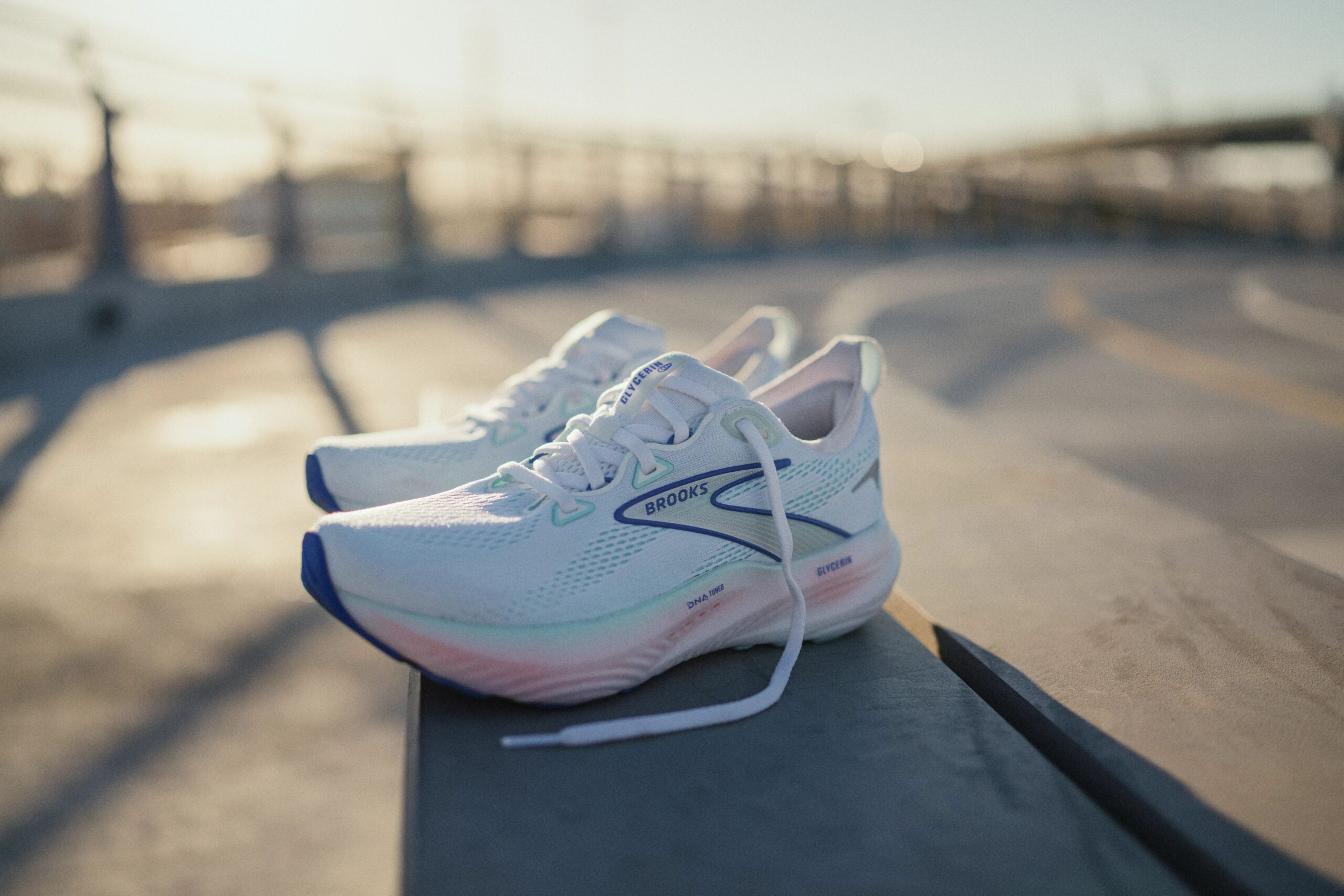
Brooks Glycerin running shoes: What’s your match?
The Brooks Glycerin name is synonymous with the ultimate in running shoe cushioning and comfort.The collection has evolved over time in...

Trail Running in Singapore: Where to Go, How to Start, and the Right Shoes for the Job
Trading pavement for dirt paths, roots, and rolling terrain can completely change the way you run. Trail running isn’t just about fitne...

Chasing Dreams, One Run at a Time: Keane Ko on Training, Travel and His Brooks Shoe Rotation
From Singapore to Slovenia, Singaporean distance runner Keane Ko trains in Slovenia to pursue his dreams, leaving no stone unturned in ...

The Evolution of the Brooks Adrenaline GTS Running Shoe
For more than 20 years, the Brooks Adrenaline GTS has been the trusted choice for runners who want support, comfort, and a reliably smo...
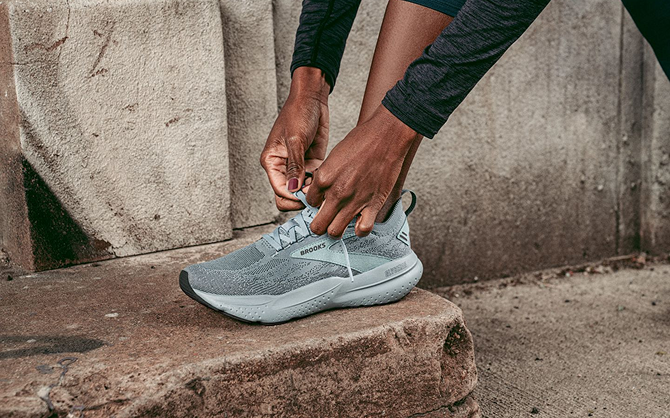
The Best Shoes for Plantar Fasciitis
Plantar fasciitis is one of the most common causes of heel pain among runners and active individuals in Singapore. With our humid weath...

Ready for Your Next Challenge? Train Smart for Your First 10K — Let’s Run There
You’ve conquered the 5K, and now you’re craving something that goes the distance, but maybe a full marathon still feels a step too far....

Get Ready for Your Next 5K Run in Singapore
The 5K is the perfect way to step into the world of endurance running. At 5 kilometres, this distance offers just the right mix of chal...
When To Replace Your Running Shoe
So, you finally found the perfect pair of running shoes.Together, you’ve pounded the East Coast Park connector, tackled Bukit Timah Hil...